Featured
Table of Contents
Cognitive Set Of Three of Distressing Anxiety. An essential component of experiencing trauma is really feeling various from others, whether the injury was a specific or group experience. Stressful experiences normally really feel surreal and test the requirement and value of mundane activities of life. Survivors typically believe that will certainly not fully comprehend their experiences, and they may think that sharing their feelings, thoughts, and reactions related to the trauma will certainly drop brief of expectations.

The type of trauma can determine exactly how a specific really feels various or believes that they are different from others. Injuries that produce pity will often lead survivors to really feel more pushed away from othersbelieving that they are "harmed goods." When individuals believe that their experiences are distinct and incomprehensible, they are more probable to look for assistance, if they look for support at all, just with others that have experienced a similar injury.
A recall is reexperiencing a previous stressful experience as if it were really happening in that moment. It consists of reactions that typically appear like the client's responses throughout the injury.
Incident Identification for EMDR with Observed and Experiential Integration therapy
In some cases, they happen unexpectedly. Various other times, particular physical states increase an individual's vulnerability to reexperiencing a trauma, (e.g., fatigue, high tension levels). Flashbacks can seem like a brief flick scene that intrudes on the customer. For instance, hearing a vehicle backfire on a warm, sunny day might be enough to create an expert to react as if she or he were back on military patrol.
If a client is set off in a session or throughout some element of treatment, assist the customer emphasis on what is occurring in the below and now; that is, make use of basing strategies., for even more grounding methods).
Afterward, some customers require to review the experience and comprehend why the recall or trigger happened. It commonly aids for the client to attract a link in between the trigger and the traumatic occasion(s). This can be a precautionary strategy whereby the client can prepare for that a given circumstance puts him or her at greater threat for retraumatization and calls for usage of dealing methods, consisting of seeking assistance.
How Consider EMDR Therapy or Accelerated Resolution Therapy for Specific Situation for Observed and Experiential Integration therapy
Dissociation is a mental procedure that cuts links among an individual's ideas, memories, sensations, actions, and/or feeling of identification. A lot of us have actually experienced dissociationlosing the capability to recall or track a specific action (e.g., coming to job yet not keeping in mind the eleventh hours of the drive). Dissociation takes place since the person is participated in an automatic task and is not focusing on his or her prompt atmosphere.
Dissociation helps distance the experience from the person. Individuals that have experienced severe or developing trauma might have discovered to divide themselves from distress to make it through.
In non-Western cultures, a sense of alternating beings within oneself might be interpreted as being occupied by spirits or ancestors (Kirmayer, 1996). Other experiences connected with dissociation include depersonalizationpsychologically "leaving one's body," as if viewing oneself from a distance as an onlooker or with derealization, resulting in a sense that what is taking area is strange or is not actual.
Treating Complicated Grief through Eye Movement Desensitization and Reprocessing
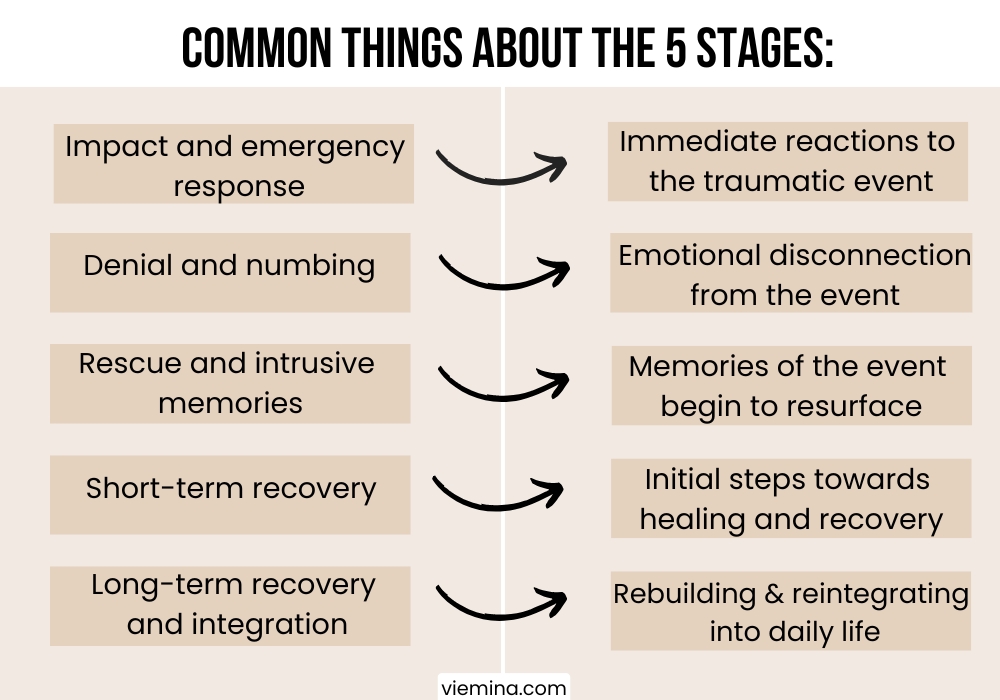
One major long-term effect of dissociation is the difficulty it triggers in attaching solid psychological or physical reactions with an event. Often, individuals might think that they are freaking out since they are not in contact with the nature of their responses. By enlightening clients on the resilient high qualities of dissociation while additionally stressing that it stops them from attending to or confirming the injury, individuals can begin to recognize the role of dissociation.
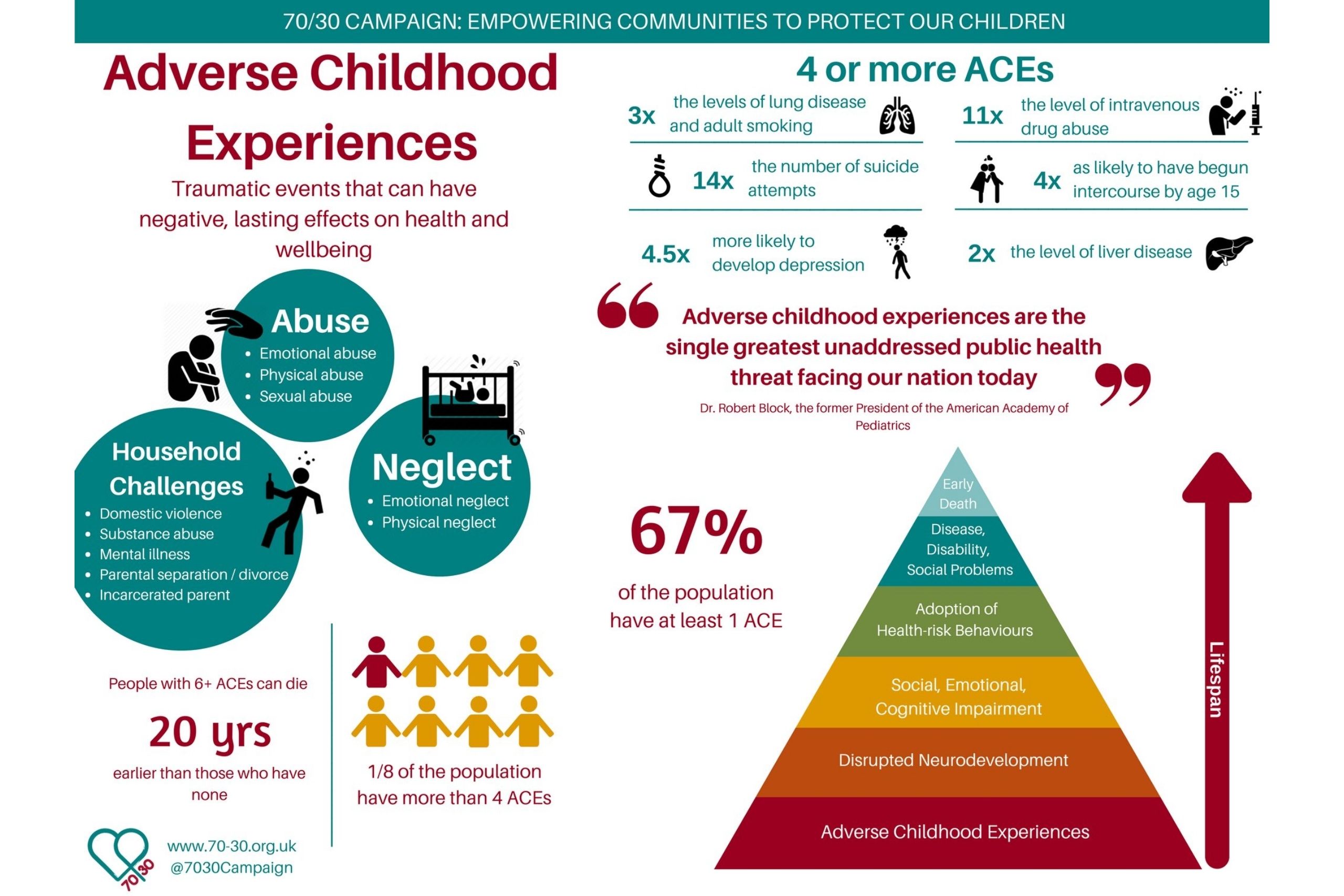
Stressful tension responses vary widely; typically, individuals engage in actions to handle the aftereffects, the intensity of feelings, or the upsetting aspects of the terrible experience. Some people decrease tension or anxiety via avoidant, self-medicating (e.g., alcoholic abuse), uncontrollable (e.g., overindulging), spontaneous (e.g., high-risk habits), and/or self-injurious behaviors. Others might try to gain control over their experiences by being aggressive or subconsciously reenacting aspects of the trauma.
Frequently, self-harm is an attempt to handle psychological or physical distress that seems overwhelming or to handle a profound sense of dissociation or being entraped, powerless, and "harmed" (Herman, 1997; Santa Mina & Gallop, 1998). Self-harm is associated with past childhood years sex-related abuse and various other forms of injury in addition to compound abuse.
When ART Treatment Provides Rapid Relief
Marco, a 30-year-old guy, sought therapy at a regional mental health and wellness facility after a 2-year bout of stress and anxiety symptoms. He was an energetic participant of his church for 12 years, yet although he sought assistance from his pastor concerning a year back, he reports that he has actually had no contact with his pastor or his church because that time.
He defines her as his soul-mate and has had a challenging time recognizing her activities or how he might have avoided them. In the preliminary consumption, he mentioned that he was the initial individual to discover his spouse after the suicide and reported sensations of betrayal, pain, rage, and destruction given that her fatality.

Latest Posts
What Makes Effective Family Therapy Different
Exploring Stress Reactions
Rebuilding Mind-Body Connection